N Gauge Locomotives: A Complete Guide to N Gauge Model Railways
When it comes to building model railways, N gauge locomotives are a popular choice for enthusiasts seeking a balance between size and detail. Whether you’re just starting out or looking to expand your collection, N gauge model railways offer a world of opportunity for creating intricate and captivating layouts. In this blog post, we will dive deep into everything you need to know about N gauge locomotives and why they could be the perfect addition to your model railway.
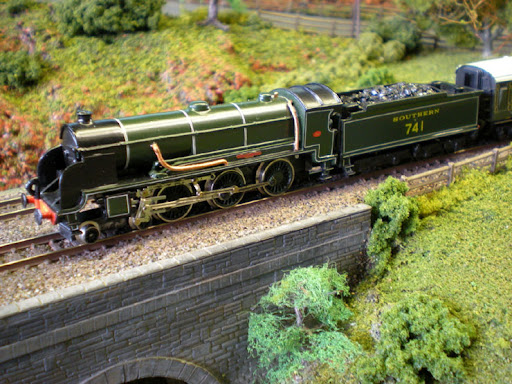
Table of Contents
What Are N Gauge Locomotives?
N gauge refers to a popular model railway scale where the track gauge (the distance between the rails) is 9mm. This makes it smaller than other common gauges such as OO gauge, providing modellers with the flexibility to create extensive and highly detailed layouts in a smaller space. N gauge locomotives, therefore, are scaled-down models of real trains, often at a 1:148 scale in the UK and 1:160 in other countries, providing a great level of accuracy and detail despite their size.
If you’re tight on space but don’t want to compromise on detail or the complexity of your setup, N gauge locomotives are ideal.
Why Choose N Gauge Model Railways?
One of the most significant advantages of choosing N gauge model railways is their space-saving design. Even in limited spaces, such as a small room or a corner of your home, you can create a large and intricate layout that would be impossible with larger scales like OO or O gauge.
Additionally, N gauge offers a great variety of locomotive types, from classic steam engines to modern diesel and electric locomotives. The range available in N gauge has expanded dramatically over the years, allowing hobbyists to find models that perfectly match their interests, whether you’re a fan of heritage railways or modern mainline services.
Another reason modellers opt for N gauge is the impressive level of detail achievable in both locomotives and scenery. Although smaller than larger gauges, modern manufacturing techniques ensure that even tiny details, such as railings, buffers, and lighting, are replicated with incredible accuracy.
What to Consider When Buying N Gauge Locomotives
If you’re thinking about purchasing N gauge locomotives for your model railway, there are several key factors to consider to ensure you get the most from your investment:
- Track Compatibility: Ensure your N gauge locomotives are compatible with your track. Most N gauge tracks are standardised, but some models may have slightly different specifications. Always double-check the specifications of both the locomotives and tracks to avoid issues with performance.
- Power Systems: Are you planning to run digital (DCC) or analogue? Many N gauge locomotives today are DCC-ready, meaning they can be fitted with digital decoders for more advanced control. Analogue locomotives are more affordable but lack the same level of control as DCC models.
- Brand: Different brands offer different levels of detail and performance. Reputable manufacturers like Graham Farish and Dapol are renowned for producing high-quality N gauge locomotives that perform reliably and feature intricate details.
- Price Range: N gauge locomotives vary widely in price depending on the level of detail and whether they are DCC-fitted. While it’s tempting to go for the most detailed models, it’s essential to balance this with your budget and the scope of your overall layout.
Expanding Your N Gauge Layout
Once you’ve chosen your N gauge locomotives, it’s time to think about expanding your layout. One of the beauties of N gauge model railways is the ability to fit more track, scenery, and buildings into a smaller space compared to larger scales. This means you can create more elaborate layouts, including complex track plans, multiple stations, and even detailed landscapes such as mountains, bridges, and tunnels.
N gauge offers almost endless possibilities for scenic development. Whether you’re modelling a countryside railway, an industrial area, or a bustling city scene, the smaller size of N gauge allows you to add a remarkable amount of detail to your layouts.
Caring for Your N Gauge Locomotives
Maintaining your N gauge locomotives is essential for ensuring their longevity and performance. Here are a few tips to keep them running smoothly:
- Regular Cleaning: Dust and dirt can accumulate on your tracks and inside your locomotives. Regular cleaning, using a soft brush or specialised track cleaners, is crucial to maintaining optimal performance.
- Lubrication: Like all mechanical models, N gauge locomotives require occasional lubrication to keep moving parts working efficiently. Be sure to use the correct oil designed for model railways, as general household lubricants can damage the delicate parts of your locomotive.
- Storage: When not in use, store your locomotives in a cool, dry place to prevent damage. Original packaging is often best for long-term storage, as it provides the right protection for your models.
Conclusion
N gauge locomotives and model railways offer a fantastic opportunity for railway enthusiasts to create detailed and expansive layouts in a limited space. With a wide range of locomotive types, track options, and scenic accessories, you can build the railway of your dreams while maintaining the highest level of realism. Whether you’re an experienced modeller or new to the hobby, N gauge provides endless possibilities.
Take your model railway journey to the next level by exploring our range of N gauge locomotives today!